Alternatives to CPAP for Obstructive Sleep Apnea
CPAP isn’t the only option for sleep apnea. Discover oral appliances, weight loss, positional therapy, PAP alternatives, and lifestyle changes.

Posted on May 5, 2026
CPAP Machines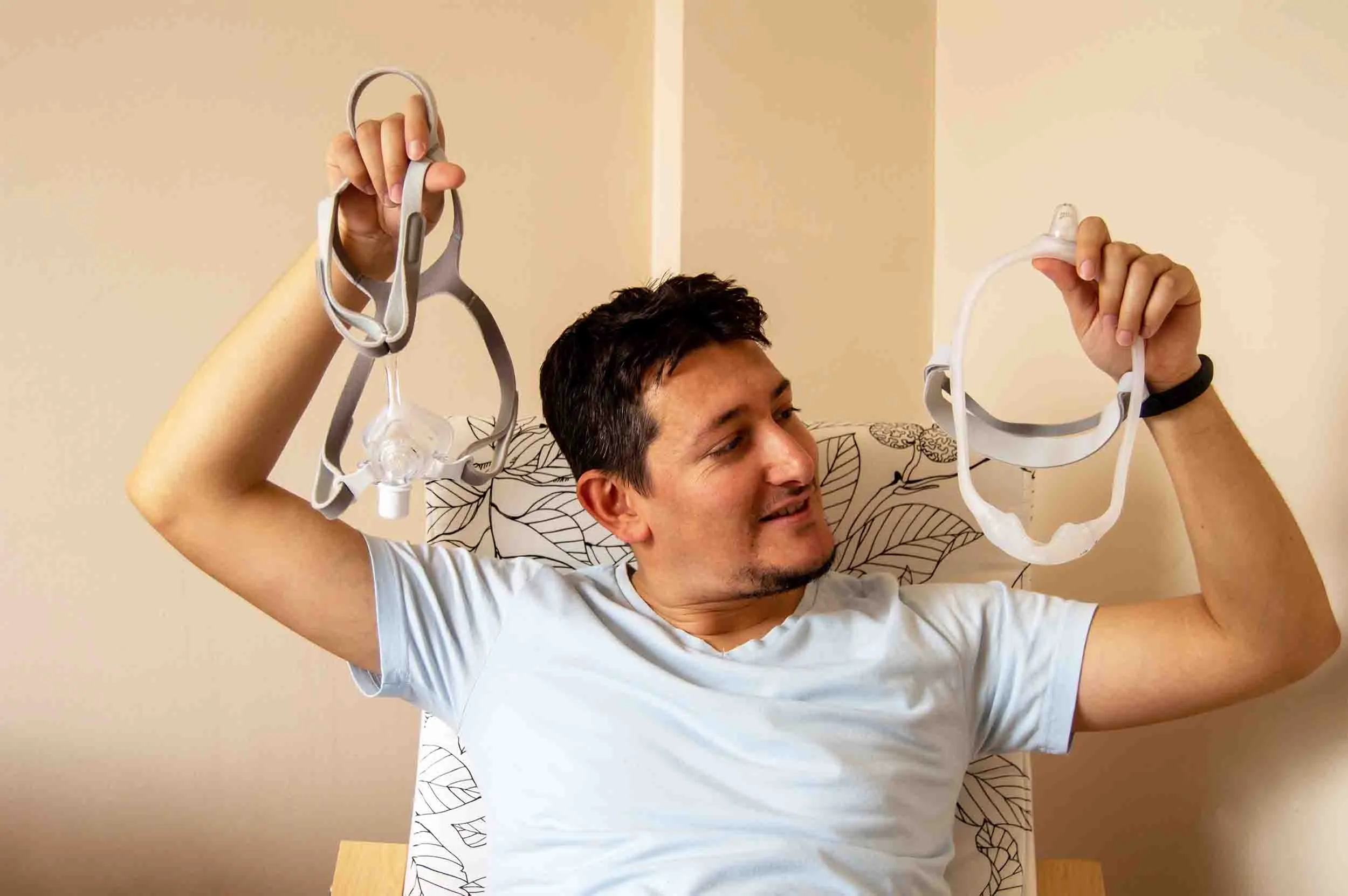
A continuous positive airway pressure (CPAP) machine is a device commonly used to treat obstructive sleep apnea (OSA). Given that untreated OSA is linked to myriad health risks, including heart disease and mental illness, strapping on that CPAP mask every night sounds like a good idea. But what happens if that good idea comes with undesirable side effects, like a congested nose, difficulty falling asleep, or a dry mouth? Learn about the common CPAP problems getting in your way and what you can do to avoid them.
As the name suggests, a CPAP machine delivers a continuous flow of positive air pressure to your body while you sleep. The machine filters the air from your environment and sends a stream of pressurized air into your mouth and nose via a tube and mask fixed to your face. This treats OSA by preventing the soft tissues of your upper throat – your tongue, uvula (that little grape dangling at the back of your throat), and soft palate – from collapsing and blocking your airway.
Keeping those vital passages open with a CPAP device can reduce common obstructive sleep apnea symptoms including:
In some people, CPAP therapy can even help to manage high blood pressure and mood disorders like depression and anxiety.
Most – or dare we say all – medical treatments only work if you use them. And they tend to work most effectively if the therapy is used as prescribed. Unfortunately, CPAP usage is known to be associated with fairly low compliance rates. Adherence rates to CPAP therapy has been reported across multiple studies as being as low as 30% and as high as 60%.
Here are some issues commonly encountered with CPAP therapy, and tips on how to manage them.
A poorly fitting mask can result in air leakage, which may lead to nasal dryness or congestion, dry eyes, a dry mouth, or irritated skin. A mask that may be too loose, too tight, or doesn’t conform to the shape of your face, can also be uncomfortable and make it difficult to get to sleep.
When choosing a CPAP mask, ask for personalized fitting advice from the supplier or your ENT doctor looking after your sleep apnea. CPAP masks come in different styles and different sizes. You may want to consider:
Going from sleeping with a free face to suddenly having a mask strapped to it can be uncomfortable at first, but perseverance is key to adaptation. Experts recommend taking baby steps to allow yourself to get used to wearing the mask. You can start by wearing just the mask for short periods around the house, then progress to wearing it with the machine turned on while watching TV or reading, then wearing it during a daytime nap, before trying it overnight. If you can persist consistently with wearing the mask, you will most likely adapt sooner compared to someone who tries it only intermittently.
Giving yourself time to adapt to your mask as outlined above can give you a head start to sleeping through the night using the CPAP machine. To improve your comfort, you can consider using a CPAP device with a ramp feature that gradually increases the air pressure to the prescribed level as you fall asleep. This avoids high pressure from the get-go as you’re trying to settle in for the night, as this sensation of air being forced into your mouth or nose can be uncomfortable or distracting.
Also consider other factors that may be interfering with the success of your CPAP. Good sleep hygiene habits include avoiding screens for the hour leading up to bed, avoiding alcohol and caffeine immediately before you try to sleep, ensuring your environment is optimized for sleep by being dark and cool, and trying to stick to a consistent bedtime every night.
The infrequent cleaning of your CPAP can potentially increase the noise level. Cleaning your device regularly has the added benefit of preventing accumulation of dust, mold, and bacteria in the mask or tubing that may cause the machine to smell, cause skin irritation, or reduce the lifespan of your device. Also, ensure that the air filter isn’t blocked.
Having to wear something strapped to your face every night while you sleep may be a rude shock to your system, but developing heart disease from untreated obstructive sleep apnea is ruder. CPAP therapy is an effective first-line option to treat many cases of OSA, but if you’ve persisted and decided it’s just not for you, there are alternatives. Speak to your Berger Henry ENT sleep and snoring doctors for the optimum ways in which you can manage your sleep apnea.
CPAP isn’t the only option for sleep apnea. Discover oral appliances, weight loss, positional therapy, PAP alternatives, and lifestyle changes.
The continuous positive airway pressure machine, commonly known as a CPAP machine, is the front line defense against sleep apnea, a condition that causes...