4 Common Problems with a CPAP Machine and How to Fix Them
Struggling with CPAP? Learn the most common problems and simple solutions to improve comfort, sleep quality, and long-term sleep apnea treatment success.

Posted on February 21, 2026
CPAP Machines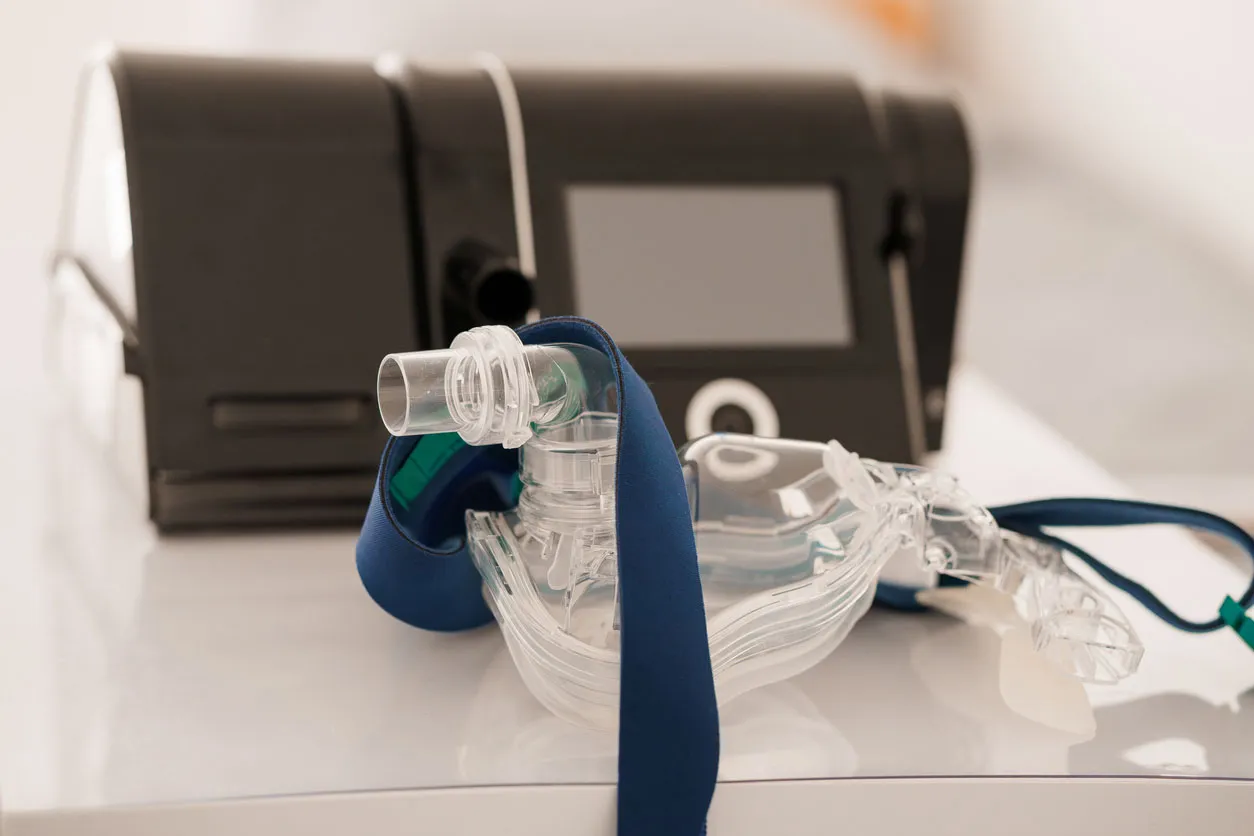
If you’ve been diagnosed with obstructive sleep apnea (OSA), you’ve probably heard that CPAP (continuous positive airway pressure) is the gold standard treatment. That reputation is well earned – CPAP reliably prevents airway collapse and improves sleep quality, daytime alertness, and blood pressure control.
But effectiveness only matters if you can actually use the therapy. Many patients struggle with mask discomfort, dry mouth, or claustrophobia, which is why exploring alternatives with your ENT doctor is critical.
The good news: CPAP isn’t your only option.
What Is Obstructive Sleep Apnea?
OSA occurs when the upper airway repeatedly collapses during sleep, reducing oxygen levels and fragmenting rest. These breathing pauses – apneas and hypopneas – can significantly impact health.
Sleep apnea is far more common than many realize, affecting an estimated 936 million adults worldwide, with 425 million experiencing moderate-to-severe disease. Untreated OSA increases risk for hypertension, cardiovascular disease, diabetes, and cognitive decline.
CPAP Works – But Adherence Is the Challenge
CPAP reduces apnea events and improves oxygenation. However, real-world adherence is inconsistent, with studies showing 29 – 83% of patients struggle with long-term use.
Common barriers include mask discomfort, nasal dryness, skin irritation, and air swallowing. Because therapy must be used nightly to work, sleep specialists often recommend individualized treatment strategies.
Before Giving Up: Consider These Alternative PAP Options
Sometimes the issue isn’t PAP therapy itself – it’s the specific device.
BiPAP (bilevel positive airway pressure): Provides lower pressure when exhaling, improving comfort for patients who feel they are “fighting” CPAP airflow.
APAP (auto-adjusting positive airway pressure): Automatically adjusts pressure based on breathing patterns throughout the night.
EPEP (expiratory positive airway pressure): Uses small nasal valves that create resistance during exhalation to help maintain airway stability.
Proven Non-CPAP Alternatives
Oral Appliance Therapy
Custom mandibular advancement devices reposition the jaw and tongue to keep the airway open. The American Academy of Sleep Medicine recommends oral appliances for mild-to-moderate OSA or CPAP intolerance.
Weight Management
Excess weight contributes to airway collapse. Research shows that a 10% weight reduction can lower apnea severity by 26%. Medical weight loss, bariatric surgery (weight loss surgery), and GLP-1 medications may all play roles in symptom improvement. Please consult with your ENT doctor before taking any medication for weight loss.
Positional Therapy
Sleeping on your back can worsen airway obstruction. Positional therapy encourages side sleeping and can significantly reduce apnea events in positional OSA.
Alcohol Reduction
Alcohol relaxes airway muscles and increases apnea severity, making reduction an important behavioral strategy.
Myofunctional Therapy
Targeted airway muscle exercises can reduce apnea severity by roughly 50% in mild OSA.
The Most Important Takeaway
Sleep apnea treatment is not one-size-fits-all. A sleep study determines severity, while factors like anatomy, weight, cardiovascular risk, and treatment tolerance guide therapy selection.
For some patients, CPAP remains the best option. For others, alternatives – or combination therapy – may be more realistic and sustainable.
The goal isn’t choosing the “perfect” therapy.
It’s finding the one you’ll actually use.
Ready to Explore Your Options?
If CPAP hasn’t worked for you – or if you’ve never been evaluated – the next step is a personalized sleep consultation with a BergerHenry ENT doctor. Identifying the right therapy can dramatically improve energy, cardiovascular health, and quality of life.
Schedule an evaluation today and discover which sleep apnea treatment fits your lifestyle, comfort, and long-term health goals.
Struggling with CPAP? Learn the most common problems and simple solutions to improve comfort, sleep quality, and long-term sleep apnea treatment success.
The continuous positive airway pressure machine, commonly known as a CPAP machine, is the front line defense against sleep apnea, a condition that causes...