Can Stress Make Allergies Worse?
Can stress make allergies worse? Learn how stress may intensify allergy symptoms and discover simple ways to breathe easier this season.

Posted on August 12, 2026
Allergies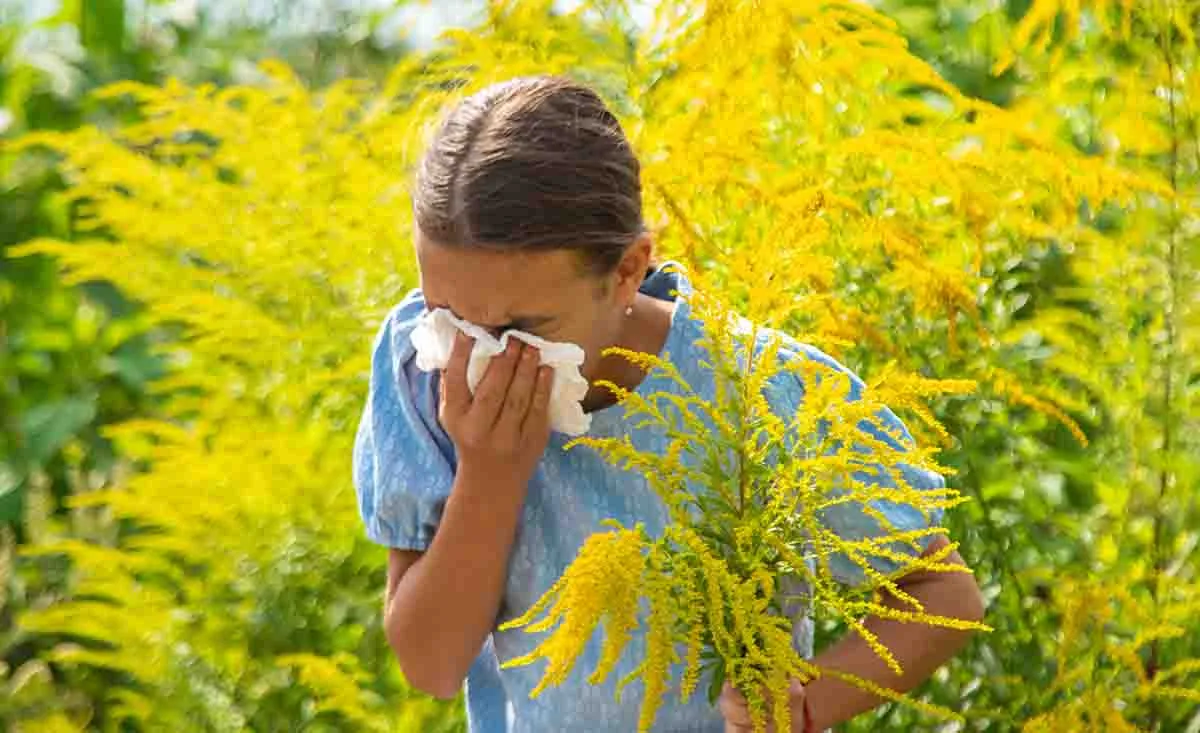
If your child suddenly starts sneezing, rubbing their eyes or complaining about a stuffy nose just as summer is winding down, don’t automatically assume they’ve caught a back-to-school cold.
Ragweed is one of the major triggers of late-summer and fall seasonal allergies. Its pollen typically begins appearing in the air in late summer, peaks in late summer and early fall, and can continue until the first frost.
For children who are allergic to it, that can mean weeks of sneezing, congestion, itchy eyes and restless nights – often just as they’re heading back to school.
Ragweed is a group of flowering weeds found throughout much of North America. The most familiar species is common ragweed (Ambrosia artemisiifolia).
It isn’t particularly impressive to look at, but what it lacks in beauty it makes up for in pollen production.
According to the U.S. Environmental Protection Agency, a single ragweed plant can produce as many as one billion pollen grains during one season. Those microscopic grains are light enough to be carried considerable distances by the wind.
That means your child doesn’t need to be standing next to a field of ragweed – or even have it growing in your yard – to react to it.
Not quite.
Hay fever is another name for seasonal allergic rhinitis, an allergic reaction involving the nose and often the eyes.
Ragweed is one possible cause of hay fever. Tree pollen may cause symptoms in the spring, grasses can cause them in late spring and summer, and ragweed is a major culprit during late summer and fall.
When a child who is sensitive to ragweed inhales its pollen, the immune system mistakenly treats that harmless pollen as a threat. The resulting allergic response can cause:
For children with asthma, pollen exposure can also contribute to coughing, wheezing, chest tightness or difficulty breathing.
Parents understandably think of allergies as a runny nose and itchy eyes. But allergic rhinitis can affect children in ways that aren’t always immediately connected to allergies.
A child who can’t breathe comfortably through their nose may not sleep well. Poor sleep can lead to daytime fatigue, irritability and difficulty concentrating in class.
Research has found that allergic rhinitis in school-age children can negatively affect sleep, classroom concentration, school attendance and academic performance.
So if your child seems unusually tired, distracted or irritable every fall, allergies may deserve a closer look – particularly when those changes arrive along with congestion or other nasal symptoms.
One of the more unusual aspects of ragweed allergy involves something called oral allergy syndrome, also known as pollen-food allergy syndrome.
Certain proteins in raw fruits and vegetables are similar enough to proteins found in pollen that the immune system can confuse the two.
For someone with ragweed allergy, foods commonly associated with this cross-reaction include:
A child might say their mouth feels itchy or tingly after eating one of these foods, or they may experience an itchy throat or mild swelling around the lips or mouth.
That doesn’t mean every child with ragweed allergy needs to stop eating these foods. Many never experience pollen-food allergy syndrome at all. But if you notice a consistent reaction, mention it during your child’s allergy evaluation.
You can’t keep pollen out of the air, but you can reduce how much of it follows your child around.
During ragweed season:
Parents can monitor local conditions through resources such as the Allergy & Asthma Network pollen and weather forecast.
For many children, avoiding triggers alone won’t completely control symptoms.
Depending on your child’s age, symptoms and medical history, treatment may include antihistamines, corticosteroid nasal sprays, saline nasal rinses or other therapies recommended by their healthcare provider.
But if symptoms return year after year, interfere with sleep or school, trigger asthma symptoms, or don’t respond well to over-the-counter treatment, it may be time to find out exactly what your child is allergic to.
Allergy testing can help distinguish ragweed sensitivity from allergies to grasses, trees, mold, dust mites, pets and other common triggers.
That’s important because knowing the actual trigger allows you to treat the problem much more strategically.
For children with persistent or significant allergies, allergen immunotherapy may be an option.
Rather than simply treating symptoms after they appear, immunotherapy gradually exposes the immune system to controlled amounts of an allergen with the goal of reducing sensitivity over time.
Allergy shots may be considered when symptoms are difficult to control or significantly affect a child’s quality of life.
Children with asthma or a history of serious allergic reactions require particularly careful evaluation. An allergy specialist can also help families develop an appropriate plan for children at risk of severe reactions, including anaphylaxis.
A child who spends every August and September congested, exhausted and miserable doesn’t necessarily have to repeat the same experience year after year.
If you suspect ragweed – or another seasonal allergen – is affecting your child, an allergy evaluation can help identify the trigger and determine the best way to manage it.
The allergy specialists at Berger Henry ENT Specialty Group can evaluate your child’s symptoms, perform appropriate allergy testing and develop a treatment plan designed to help them breathe, sleep and feel better throughout allergy season.
Can stress make allergies worse? Learn how stress may intensify allergy symptoms and discover simple ways to breathe easier this season.
Worried about allergies at school? Discover how to educate your child, work with teachers, and reduce risks for a safer school year.
Are allergies hereditary? Spoiler alert: yes. Plot twist: but it’s not that simple. Allergies are the sixth most common chronic illness in the US, affecting...
Our immune system: vital, complex, and wonderful – except for when it goes rogue. Allergies occur when your immune system has a consistent over-the-top...