Why Doesn't My Hearing Aid Fit Into My Ear Anymore?
Most people think a badly fitting hearing aid means it’s busted, but that’s rarely the case. Our ear canals naturally morph as we age,...

Posted on October 20, 2026
Hearing Aids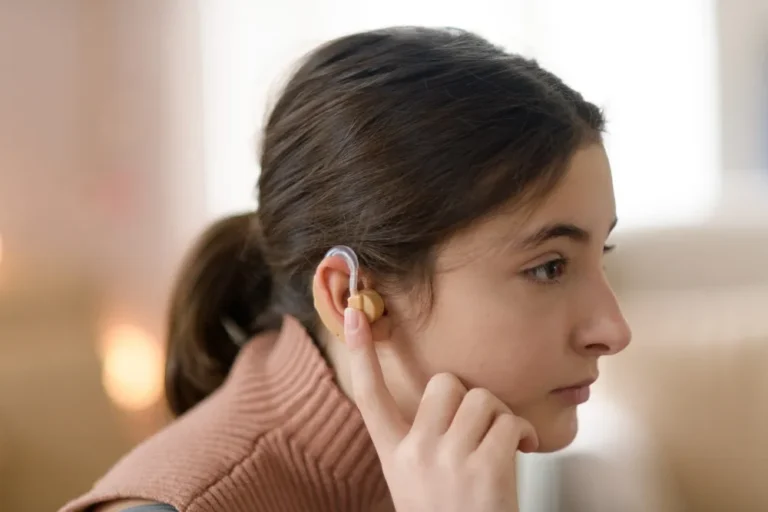
Moderate hearing loss is when you struggle to hear sounds between 41 and 55 decibels, making everyday conversation tough without hearing aids. Research indicates that adults who get a well-fitted hearing aid during this stage often notice a much better quality of life within just three months. Choosing the right style, keeping up with regular care, and knowing when repairs are needed are key to long-term success. Call Berger Henry ENT Specialist Group for a hearing test in Lansdale.
Moderate hearing loss means having trouble hearing sounds between 41 and 55 decibels (dB), which can make daily conversations challenging without help. An audiogram, which charts the results of your hearing test, helps audiologists diagnose this level of hearing impairment and choose the best treatment, such as fitting hearing aids.
Moderate hearing loss means you struggle to hear sounds quieter than 41-70 decibels, like normal conversation, a running dishwasher, or someone talking from across the room. Common signs include asking people to repeat themselves, turning the TV up louder than others prefer, and missing parts of conversations in noisy environments. The only way to confirm it is with an audiogram from a licensed audiologist, which maps exactly where your hearing drops off across different frequencies.
Spotting these signs early lets you seek an evaluation before things get more challenging. Good hearing aid care and regular use can really boost your quality of life. If these symptoms seem familiar, I suggest talking to an audiologist.
Picking the right type of hearing aid is a big step in handling moderate hearing loss. You can choose from behind-the-ear (BTE), receiver-in-canal (RIC/BTE), in-the-ear (ITE), completely-in-the-canal (CIC), and in-the-canal (ITC) models. Each has its benefits, and the best choice depends on factors like ear shape, hand dexterity, lifestyle, and how much amplification you need.
Behind-the-ear hearing aids sit comfortably on the outer ear and connect to a custom earmold in the ear canal. This design allows for a larger battery and stronger amplification, making BTE devices ideal for moderate hearing loss. They’re also easier to handle daily, which is a plus for those with limited finger dexterity. If a repair is needed, the external housing makes hearing aid repair simpler for your audiologist.
In-the-ear hearing aids are custom-made to fit directly within the ear canal, offering a more discreet look than BTE styles. They provide enough amplification for moderate hearing loss and can come with features like directional microphones and wireless connectivity. Many patients who prefer a less noticeable appearance choose this style, though they need regular cleaning to prevent earwax from affecting sound quality. Your audiologist can show you the specific care routine to keep them in top shape.
A precise hearing aid fitting is key to effective hearing care. Poorly fitted hearing aids can lead to feedback (that annoying whistling), discomfort, muffled sound, and even ear canal irritation, so getting a refit or reprogramming from your audiologist quickly is always wise. The fit determines how well the device works for your specific hearing needs.
Audiologists are essential in this process. A hearing aid fitting appointment generally takes an hour or two and includes programming the devices to match your audiogram (a detailed hearing threshold map), checking the physical fit in your ear canals, and teaching you how to insert, remove, and care for your hearing aids. Custom devices might also need ear impressions to mold the shell precisely to your ear’s shape.
The fitting starts with an initial assessment, including ear impressions if custom hearing aids are involved, and then carefully calibrates the device to your audiogram. Your audiologist will fine-tune it based on your feedback in real listening conditions, as even small programming changes can greatly enhance clarity and comfort. Most people take about four to six weeks to fully adjust to new hearing aids, as the brain relearns to process sounds it may not have heard clearly for quite a while.
Proper hearing aid care is one of the best ways to protect your investment and extend the lifespan of your devices. Earwax, moisture, and dust commonly damage hearing aids, but a consistent daily routine helps keep them working well.
Each day, clean your hearing aids with a soft, dry cloth or a dedicated hearing aid brush, carefully removing earwax from the microphone and receiver ports. Avoid moisture, heat, or hair products, as these can damage internal parts over time. Storing hearing aids in a dry case overnight (a dehumidifier case works best) helps prevent moisture buildup that can cause malfunctions.
Regular check-ups with your audiologist are a chance to catch minor issues before they require major hearing aid repair. Our team can guide you through a thorough cleaning and inspection at each visit to boost long-term performance.
Spotting signs that your hearing aids need attention can stop small problems from becoming big ones. Feedback noise (a persistent whistling or buzzing) is common, often caused by a poor fit, earwax near the microphone port, or a damaged receiver. If your hearing aids are less than 3-4 years old and repair costs are under half the replacement price, it’s usually wiser to repair them than replace them.
Battery life problems and sound distortion are two more signs you may need professional help. Batteries dying quickly can suggest moisture damage or a failing component. Distorted or muffled sound often stems from a clogged receiver tube or a damaged amplifier needing repair. You can try some minor troubleshooting at home, like cleaning the microphone and receiver ports with a soft brush, replacing batteries, and ensuring the device is on the right program. Our audiologists will guide you through the repair process to improve your hearing and get you back to your routine quickly.
Start with the basics: check and replace the battery, clean the microphone and speaker ports, and make sure the volume hasn’t been accidentally turned down. These simple fixes resolve about 80% of hearing aid issues at home. If the device still isn’t working after troubleshooting, check for moisture damage or a clogged wax filter, both common culprits. Bring it to an audiologist or hearing specialist if problems persist, since professional repairs typically take 1-2 weeks and may be covered under your warranty.
Our licensed audiologists are ready to guide you through every step, from your initial evaluation to finding the right fit for your hearing needs. Call Berger Henry ENT Specialist Group to book a no-obligation consultation.
Most people think a badly fitting hearing aid means it’s busted, but that’s rarely the case. Our ear canals naturally morph as we age,...
Is the crunch of a sweet, crisp apple music to your ears? What about the slurp of perfectly al dente noodles from a bowl...
Hearing aids might be tiny but they’re certainly mighty. From Bluetooth connectivity to directional microphones and noise reduction features, there can be a lot...
You’ve been told time and time again, the volume on that TV is just too loud. Well, at least you think you’ve been told...